

Groundbreaking Review Reveals: How Protein-Polysaccharide "Perfect Synergy" Reshapes Taste & Health.
Introduction: Still captivated by the silky texture and health benefits of yogurt? A groundbreaking review by BIODEP and Professor Li Wei's research team at Nanjing Agricultural University, published in the top-tier food science journal 《Comprehensive Reviews in Food Science and Food Safety》(Impact Factor: 14.1, CAS Q1 Top Journal), unveils the "molecular-level" secret behind the core quality of fermented yogurt—both dairy-based and plant-based—the intricate interplay between exopolysaccharides (EPS) and proteins! This study not only delves into the complex mechanisms at work but also charts a golden path for the precision design of functional yogurts in the future.
The paper, "Recent Advances in Exopolysaccharide–Protein Interactions in Fermented Dairy- and Plant-Based Yogurts: Mechanisms, Influencing Factors, Health Benefits, Analytical Techniques, and Future Directions" systematically deciphers the "black box" of EPS-protein interactions (covering casein, whey protein, soy protein, pea protein, and more) across multiple dimensions. It reveals how this "dynamic duo" collaboratively shapes yogurt's physical structure, enhances sensory appeal, and unlocks its remarkable health potential.
Review Overview
Amid the rise of plant-based diets, yogurt has expanded from dairy to diverse plant-based alternatives. Whether dairy or plant-derived, the core secret of texture lies in the "synergistic interplay" between bacterial EPS and proteins during fermentation. This review explores EPS-protein binding mechanisms, detailing multi-dimensional interactions between proteins (casein, whey, soy, pea, etc.) and EPS, and highlights their critical roles in enhancing texture, water retention, stability, and bioactivity. It further discusses factors influencing EPS-protein binding (pH, temperature, molecular structure, exogenous enzymes) and proposes future research directions for structural analysis and precision food design, providing a theoretical basis for functional fermented foods.
Core Content Highlights
(1) Mechanistic Insights: The binding between EPS and proteins is not a single interaction but involves multiple mechanisms such as charge attraction, hydrogen bonding, hydrophobic interactions, and spatial entanglement. For example, dairy-based proteins carry a positive charge under acidic conditions, facilitating the formation of stable complexes with negatively charged EPS. In contrast, plant proteins, due to their lower hydrophobicity and compact structure, often require thermal denaturation or enzymatic hydrolysis to enhance binding capacity.
(2) Quality Enhancement: EPS–protein complexes significantly improve yogurt’s viscosity, gel strength, and water-holding capacity, effectively extending shelf life and enhancing consumer sensory experiences. Particularly in plant-based yogurt, the introduction of EPS notably alleviates the bottleneck issue of "insufficient texture."
(3) Health Benefits: Beyond physical property improvements, EPS–protein complexes exhibit robust bioactivity, including antioxidant, anti-inflammatory, gut microbiota modulation, cholesterol-lowering, and blood sugar control effects, demonstrating strong potential for developing "functional foods."
(4) Technical Methods: The article also reviews various classic and cutting-edge analytical techniques, such as circular dichroism spectroscopy, Fourier-transform infrared spectroscopy, scanning electron microscopy, molecular docking, and NMR, providing methodological support for structural analysis of EPS–protein interactions.
Graphical Appreciation
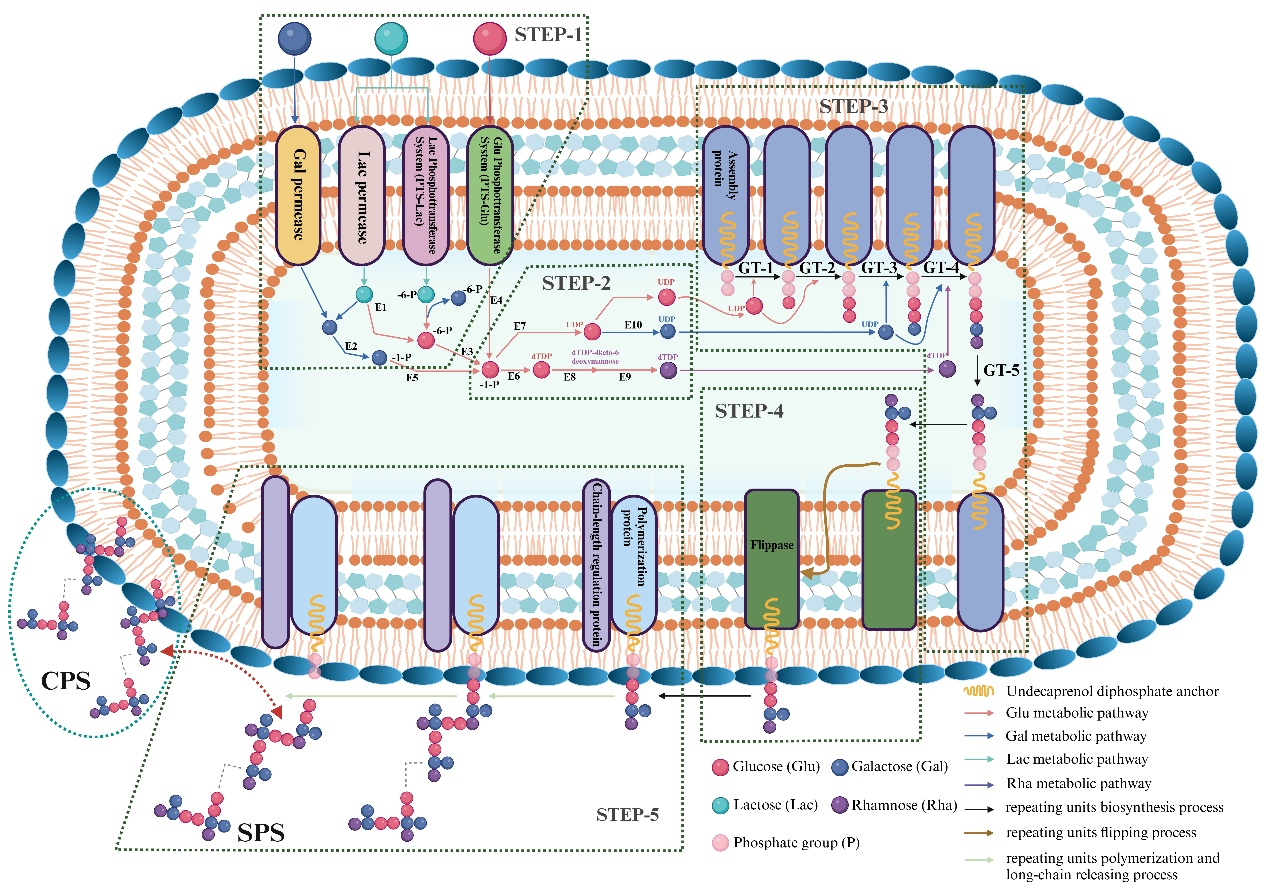
Figure 1 Biosynthetic pathway of capsular polysaccharide (CPS) and released exopolysaccharide (rEPS)
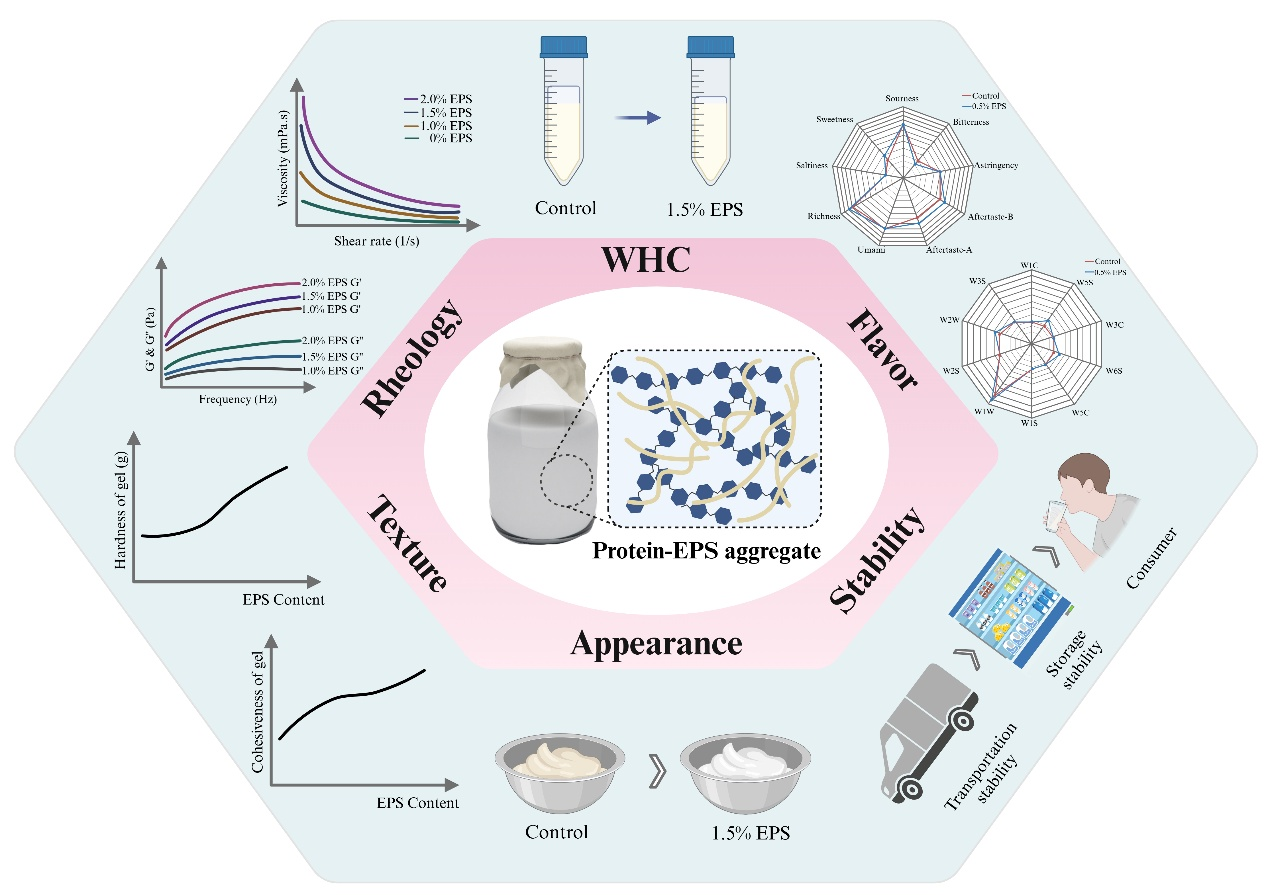
Figure 2 Schematic diagram of EPS improving the quality of fermented dairy/plant-based yogurt after binding with proteins
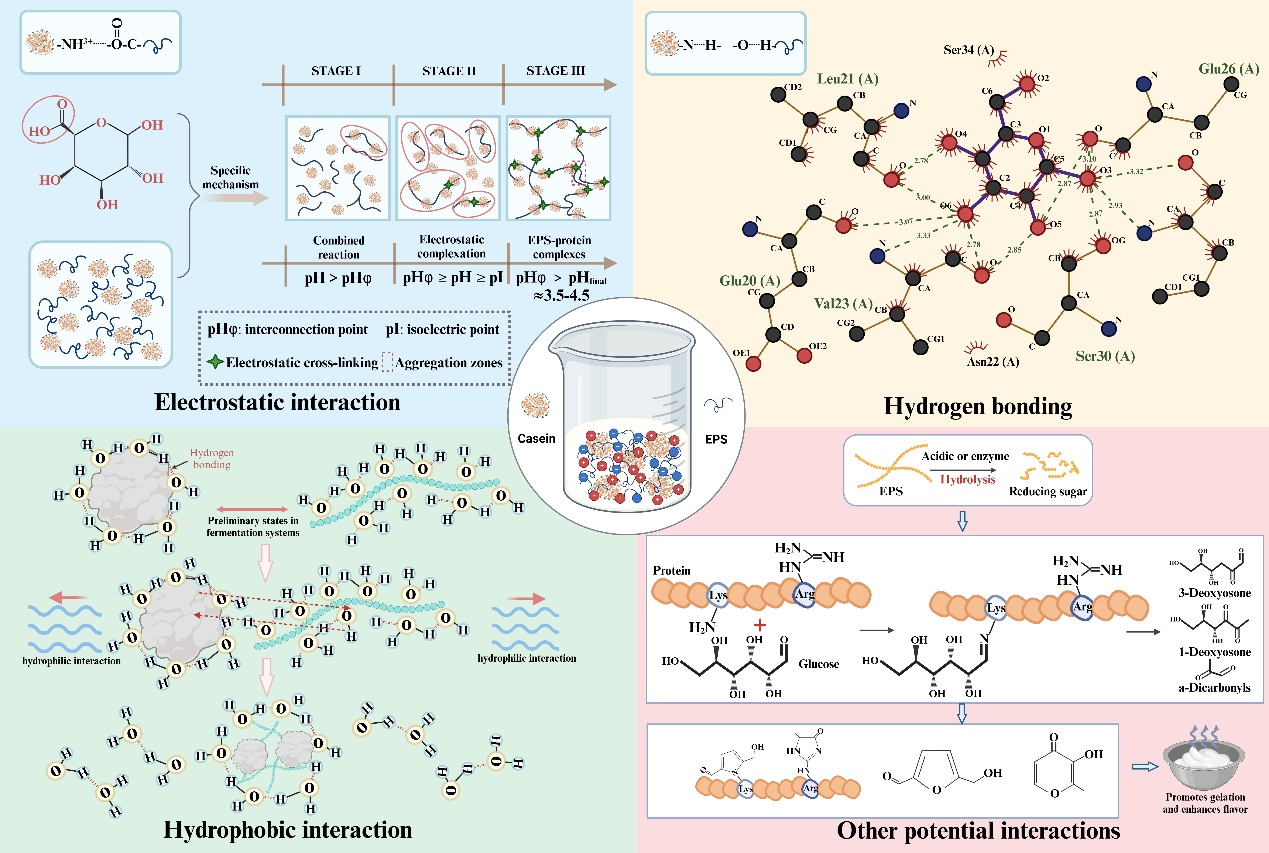
Figure 3 Schematic diagram of common intermolecular interactions during EPS-protein binding
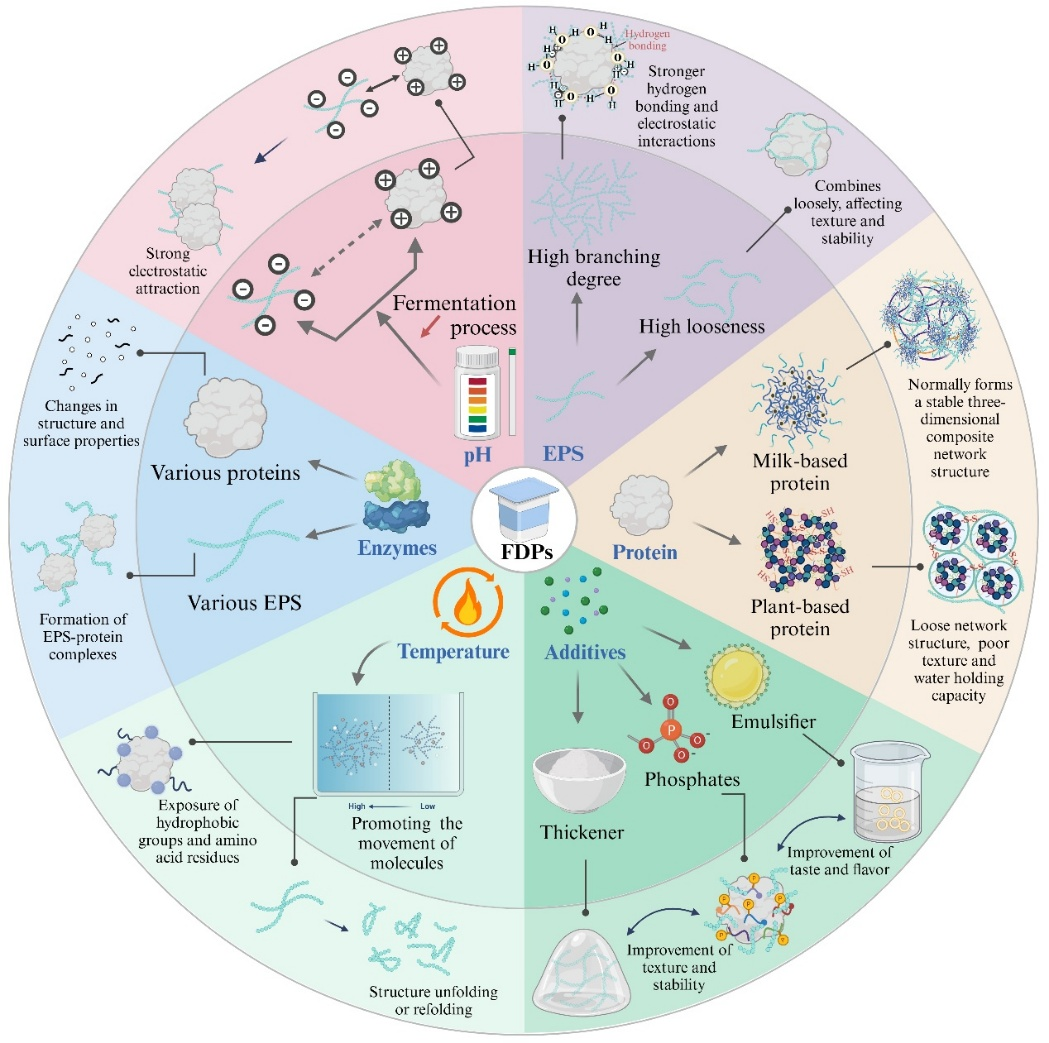
Figure 4 Factors influencing the binding of EPS-protein complexes
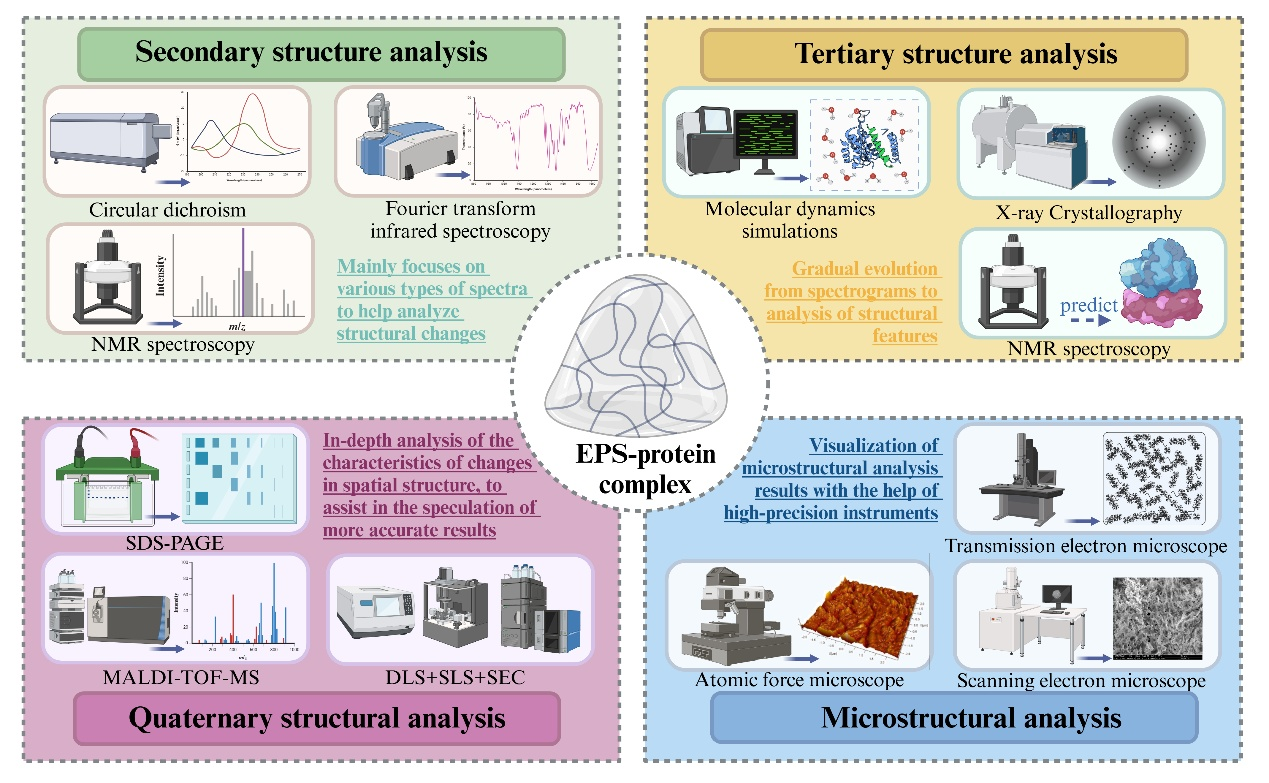
Figure 5 Different characterization techniques for analyzing structural changes in EPS-protein complexes
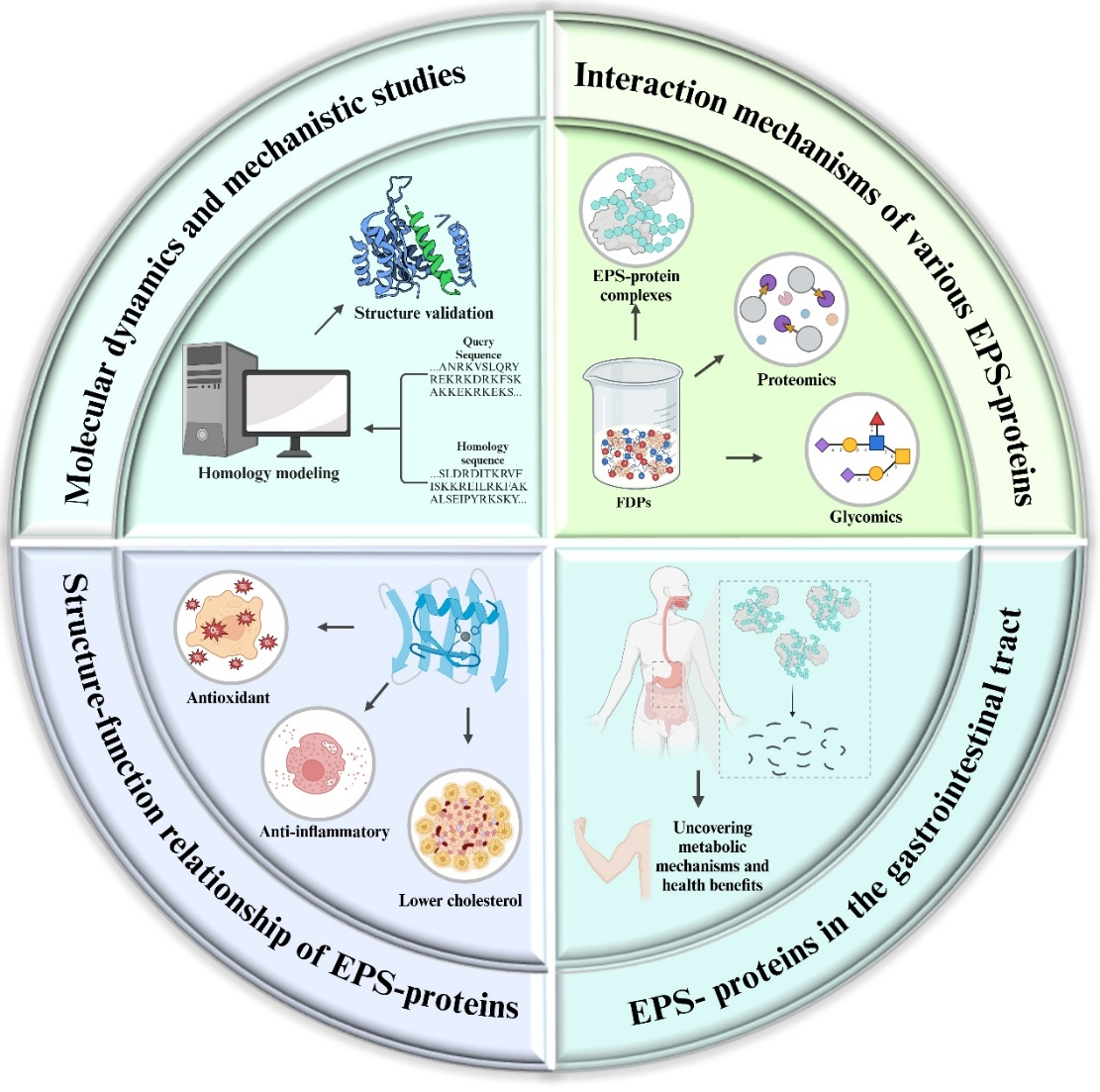
Figure 6 Future research directions of EPS-protein complexes in food systems
Conclusions and Prospects
The interaction between exopolysaccharides (EPS) and proteins in fermented yogurt not only determines its texture and mouthfeel but also profoundly influences its functional activity and health benefits. Research into such complex mechanisms is evolving from "sensory experience" to "precision design at the molecular level." Future studies should place greater emphasis on the network formation mechanisms under multi-component synergy, focusing on dynamic changes in real food systems. By integrating artificial intelligence and multi-omics approaches, more predictive model systems can be established. Particularly in the field of plant-based yogurt, understanding how EPS enhances protein network formation will be a key pathway to improving both texture and functionality.
Original link